A Harmonized Song
The role of Indigenous women in Cree communities is sacred, honoured and vital to the harmony of a Nation. For generations, Indigenous women and girls lent their voices as Lady Back-Up Singers to share nêhiyawêwin (Cree language).
Indigenous families continue to be impacted by colonization and systemic policies focused on cultural erasure. The painful legacy of the residential school system has led to many Indigenous parents losing the skills to create healthy family units
The traditional Indigenous flute is honoured in many cultures for its calming, meditative sound and importance in traditional practices. Often blended with the sounds of the land, the rivers, rain, or wind, it connects its player with nature and their spiritual self.
Indigenous worldviews, ways of knowing, and traditions have always been expressed through art, embedded in the foundations of stone, wood, hides, clay and beads. For generations, Indigenous artists have been the safekeepers of sacred traditions during times when systems of oppression have tried to erase them.
As Indigenous communities seek to invest in the future, they are turning to the true changemakers of tomorrow: Indigenous youth. Across Canada, there is a need for culturally grounded programming to support youth in engaging in ceremony, leadership, and cultural learning to carry on sacred traditions.
The lasting impacts of colonization and the residential school system have left deep physical, emotional, and spiritual scars on Indigenous Peoples and their communities. Systemic policies have led to cultural practices, sacred connections to the land, and traditional ways of living and knowing to be lost.
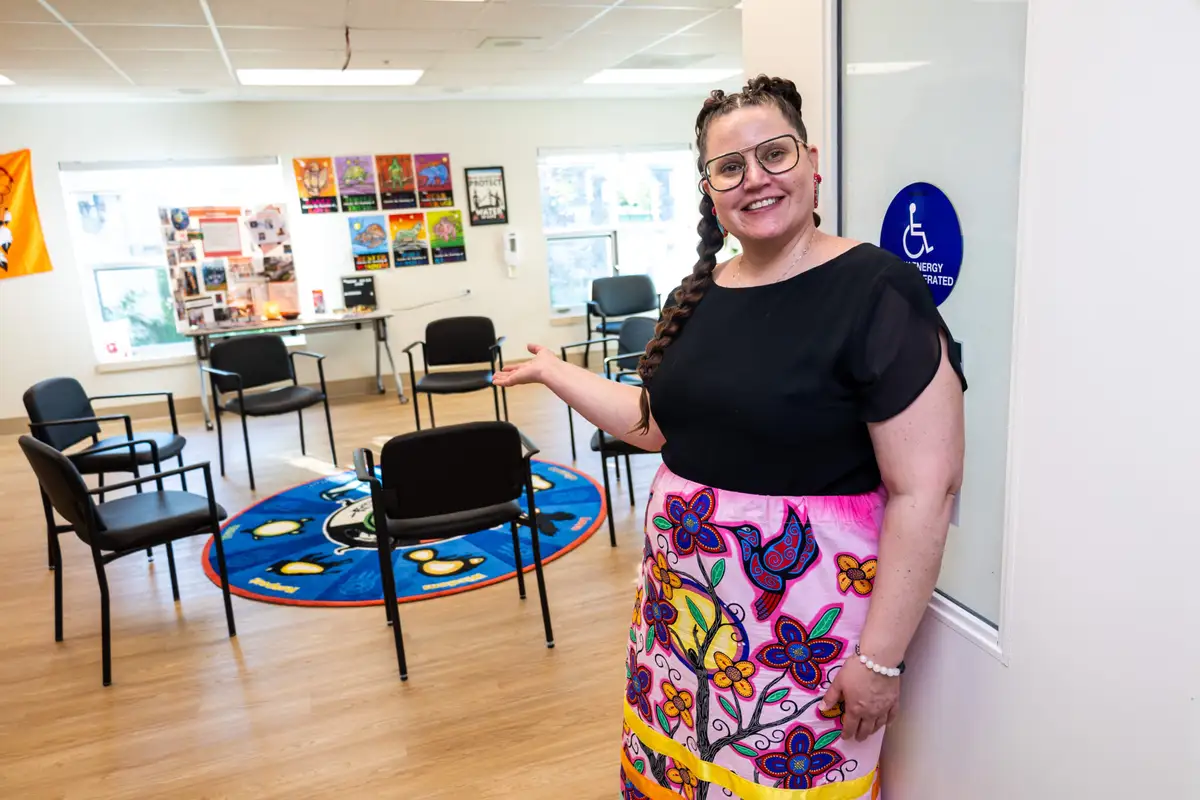
Many healthcare facilities in Canada have prayer rooms or religious rooms, but the unique needs of Indigenous cultures are often overlooked. In Alberta, few hospitals have space for Indigenous patients and their families to gather for prayer, smudging, and healing, particularly in areas protected from the weather.
The Métis have made their mark on this land through their rich history, vibrant traditions, and colourful heritage. In 2003, the Supreme Court of Canada officially acknowledged Métis as one of three distinct Indigenous Peoples in Canada.
Gathering is a sacred practice in Indigenous cultures. It is a time of traditional renewal, community connection, knowledge sharing, and celebration. However, due to the impacts of colonization, it is increasingly difficult in modern Métis life for community members to gather.
Many Indigenous youth, particularly in urban areas, feel left behind and that they’re missing out on crucial opportunities for education and growth. Systemic barriers, intergenerational trauma, and a lack of access to culturally safe and effective mental health supports mean young Indigenous Peoples struggle more than the average individual in their age group.